


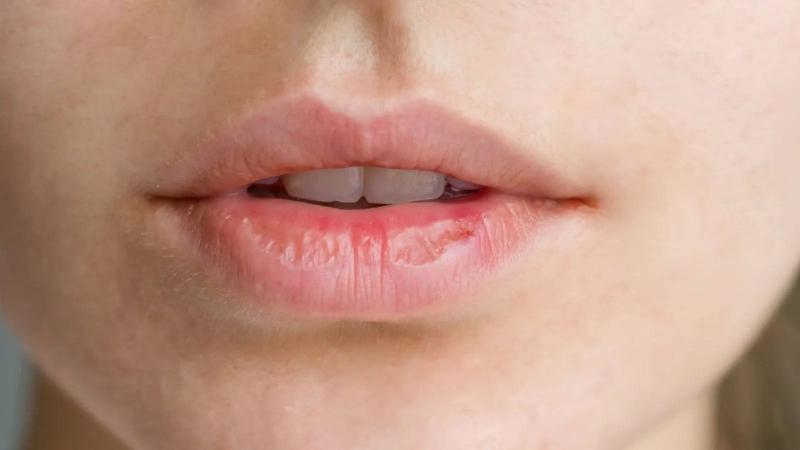
Many individuals seek remedies for chapped lips when they become dry, painful, or start peeling frequently. The reasons for this issue vary from environmental factors like cold weather and dry air to incorrect daily habits such as lip licking or using products with irritants.
Additionally, lips are more sensitive than other parts of the skin because they have a thinner protective layer and lack the oil glands that help retain moisture. Therefore, they need special care to maintain their softness and health.
Causes of Chapped Lips
Chapped lips occur due to the loss of natural moisture from the thin skin covering the lips.
Key causes include:
- Exposure to cold or dry air.
- Direct sunlight.
- Frequent lip licking.
- Dehydration and not drinking enough water.
- Allergies to certain cosmetics.
- Deficiency in certain vitamins and minerals.
- Use of medications that cause dryness.
Moreover, air conditioning and heating systems may reduce humidity in the home, increasing lip dryness.
Best Ways to Treat Chapped Lips

Use Thick Medical Moisturizers
Thick moisturizers are among the most effective solutions for treating chapped lips as they help lock moisture inside the skin and form a protective layer that prevents water loss.
Best options include:
- White petrolatum.
- Products rich in ceramides.
- Shea butter.
- Hydrating medicinal ointments.
It's recommended to apply the moisturizer several times a day, especially before bedtime, for best results.
Use Lip Sunscreen
Many people think sunscreen is only for skin, but lips are also affected by UV rays. Therefore, it's best to choose a lip balm containing:
- SPF 30 or higher.
- Moisturizing and soothing ingredients.
- Protection against UVA and UVB rays.
Additionally, re-applying it during prolonged sun exposure is advised.
Gentle Exfoliation When Needed
Sometimes, dead skin can accumulate on the lip surface, making them look drier. This can be gently removed by:
- A simple homemade scrub
- Mixing a small amount of sugar with a few drops of olive oil and gently massaging the lips for a short period.
Afterward, a rich moisturizer should be applied immediately to lock in moisture. Conversely, avoid exfoliation entirely if the lips are bleeding or have open wounds.
Habits to Stop Immediately
Constant Lip Licking
Lip licking is one of the most common reasons for persistent chapping. Saliva evaporation leaves lips drier than before. Additionally, the enzymes in saliva may irritate the thin skin, increasing inflammation.
Peeling Scaly Skin
Some people peel scales with their nails or teeth, but this habit may lead to:
- Bleeding.
- Delayed skin healing.
- Increased infection risk.
- Worsened cracks.
It’s better to let the scaly skin fall naturally after adequate moisturizing.
Using Irritating Products
Some lip balms contain ingredients that provide a temporary refreshing sensation but lead to dryness in the long term.
Notable irritants include:
- Menthol.
- Mint.
- Camphor.
- Strong fragrances.
Instead, choose products free from irritants and excessive fragrances.
Home Tips to Help Heal Lips
Stay Hydrated
Keeping the body hydrated helps improve lip appearance and reduce dryness. Therefore, drinking water regularly throughout the day is advised.
Use a Humidifier
If you spend long periods in air-conditioned places or use heating during winter, dry air might directly cause the problem. Moreover, a humidifier helps maintain ambient moisture, reducing skin and lip dryness during sleep.
Breathe Through the Nose
Breathing through the mouth while sleeping can increase lip moisture evaporation. Thus, addressing nasal obstruction or allergies may indirectly improve lip health.
When to See a Doctor?
In some cases, chapped lips may indicate a health issue requiring medical evaluation.
Consult a doctor if:
- Chapping persists long despite treatment.
- Severe cracks appear at the corners of the mouth.
- Repeated bleeding occurs.
- Signs of infection appear, such as severe redness or swelling.
- Chapping accompanies symptoms of vitamin deficiency or malnutrition.
How to Prevent Chapped Lips
Regular Moisturizing
Using lip balm protectively is better than waiting for cracks to appear.
Sun Protection
Applying lip sunscreen daily reduces dryness and damage from UV rays.
Avoid Irritants
Choosing gentle, fragrance-free products helps protect sensitive lips.
Maintain Body Hydration
Regularly drinking water remains one of the key factors for healthy skin and lips.
In conclusion, treating chapped lips primarily relies on intensive moisturizing and protecting them from drying factors such as sun, dry air, and bad daily habits. Using appropriate medical moisturizers and avoiding lip licking and irritants can speed up healing and prevent recurrence. With daily care commitment, soft and healthy lips can be maintained year-round.