


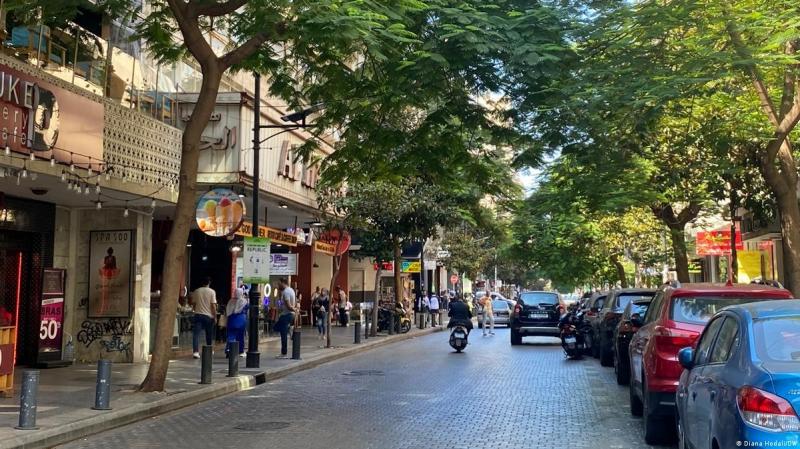
Beirut boasts a vast network of streets that play a significant role in the commercial, cultural, and administrative life of the Lebanese capital. The identities of these streets vary from bustling commercial hubs to those housing official institutions and administrative buildings, as well as neighborhoods blending historic structures, restaurants, cafes, and cultural spaces.
Notable among these are Hamra Street, Maarad Street, Badaro Street, Foch Street, Weygand Street, and Damascus Road, all of which are linked to prominent areas in the capital and continue to serve diverse roles in Beirut's daily life.
Renowned Main and Administrative Streets in Beirut
Hamra Street
Hamra Street is one of Beirut's most famous and vibrant streets, historically linked to the commercial, cultural, and hospitality sectors of the capital.
This street features a wide array of restaurants, cafes, shops, hotels, offices, and various institutions. Its proximity to major areas in Beirut makes it a popular destination for both locals and visitors.
Hamra Street retains a character that combines commercial life with cultural activity, hosting numerous publishing houses, cultural centers, and eateries, making it one of the capital's most prominent avenues.
Maarad Street
Maarad Street is situated in the heart of Beirut, closely associated with the downtown area that features a mix of historic buildings and streets.
The street's advantage lies in its proximity to several key landmarks and institutions in the city center, as well as its connection to a network of roads facilitating access to central Beirut.
The area showcases features of old Beirut architecture alongside modern buildings, offering a blend of the city's historical and contemporary landscapes.
Badaro Street
Badaro Street is a vital axis in Beirut, known for its selection of restaurants, cafes, shops, and offices.
The Badaro area combines residential, commercial, and administrative characteristics, situated close to numerous institutions, green spaces, and landmarks surrounding the capital.
Its location makes it convenient for residents, employees, and visitors, enriched by the diverse services it provides.
Foch Street
Foch Street is located in central Beirut, tied to the commercial and historical core of the capital.
The surroundings include modern buildings, offices, institutions, stores, and eateries, situated near important landmarks in the city center.
The area is part of Beirut's economic and tourist heart, notably redeveloped over recent decades, marking central city neighborhoods' revival.
Weygand Street
Weygand Street is a well-known street in central Beirut, linked to administrative and commercial zones near Nejmeh Square and the Parliament.
Its site is advantageous due to its proximity to a range of government and political buildings, as well as historic landmarks, granting it a significance beyond commerce alone.
This street offers easy access to many central Beirut roads and surrounding areas.
Damascus Road
Damascus Road is one of Beirut's main thoroughfares, connecting the capital with areas to the east.
The road holds traffic and administrative importance, with numerous institutions and official buildings nearby, linked by main streets leading to various zones within and beyond Beirut.
The road experiences continuous activity throughout the day, especially during peak hours.
The Importance of Administrative Streets in Beirut
The significance of some Beirut streets concentrates on their proximity to official institutions and political and administrative centers, while others are tied to commercial and cultural activities.
Central Beirut, in particular, is crucial for its numerous institutions and historic and political landmarks, while Hamra and Badaro are renowned for their mix of commercial, cultural, and administrative services.
Famous Areas Linked to Main Streets
The importance of Beirut's streets extends beyond the roads themselves, related to areas each with its distinct character.
Central Beirut
This represents the historical and commercial heart of Beirut, featuring Nejmeh Square and numerous historic buildings and key institutions.
Hamra
Known for its commercial activity, cafes, restaurants, and cultural life, Hamra is one of the most vibrant areas in Beirut.
Badaro
Combining commercial, residential, and administrative activities, Badaro stands out for its variety of restaurants, services, and offices.
Ashrafieh
Characterized by its diverse residential, commercial, and cultural features, it houses many restaurants, cafes, shopping centers, and services.
How to Choose the Right Street in Beirut
The choice of street depends on the purpose of the visit. For shopping, dining, and cafes, Hamra and Central Beirut are suitable options.
For visiting an institution or administration, it's essential to identify the official location beforehand and know the nearest street or transport method to it.
Visitors keen to explore the city's history can find a range of streets and landmarks in Central Beirut to visit in a single tour.
Conclusion
Beirut stands out with its diverse main and administrative streets, some blending commercial and cultural life while others connect with official institutions and politics. Understanding these streets reveals an important aspect of Beirut's nature, as they are not just paths linking areas but spaces reflecting the city's history, commerce, culture, and administration.
Rocha Hotels with a View of the Rocha Rock