



Intermittent fasting is a dietary regime that focuses on controlling eating times rather than solely on food quality or calorie counting. Numerous studies have shown that when implemented correctly and balanced, intermittent fasting can aid in weight loss and improve metabolic health.
However, women may respond differently to fasting than men due to hormonal changes related to menstruation, pregnancy, and breastfeeding. Experts thus recommend starting gradually and selecting the most body-appropriate regimes to avoid any undesirable side effects.
What is Intermittent Fasting?
Intermittent fasting is an eating pattern that alternates between fasting and eating periods. During fasting hours, only calorie-free drinks like water, black coffee, and unsweetened tea are allowed.
This regime does not enforce a specific food list but focuses on meal timing, encouraging the consumption of healthy and balanced foods within the eating window.
Best Types of Intermittent Fasting for Women
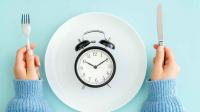
1. The 14/10 Method (Safest for Beginners)
This method is ideal for women trying intermittent fasting for the first time. It involves fasting for 14 hours daily, leaving a 10-hour window for eating.
This pattern reduces hormonal stress resulting from prolonged fasting and gives the body time to adapt gradually to the new dietary regimen.
2. The 16/8 Method (Most Popular)
After getting used to the 14/10 method, one can switch to the 16/8 method, which involves fasting for 16 hours and eating within an 8-hour window.
This method is one of the most widely spread globally due to its ability to support weight loss and stimulate fat energy use.
3. The 5:2 Method (Non-Consecutive Fasting)
This approach entails eating normally for five days a week while reducing calorie intake to around 500 calories on two non-consecutive days. This pattern suits women who find daily fasting for long periods difficult.
Intermittent Fasting 14/10 Schedule for Women
For women aiming for balanced weight loss, the 14/10 method's schedule is:
Fasting Period
From 8:00 PM to 10:00 AM (14 hours). During this period, you can have:
- Adequate water intake.
- Black coffee without sugar.
- Green tea or herbal teas without additives.
First Meal (10:00 AM)
Should include:
- Eggs or high-quality protein source.
- Fresh vegetables.
- Avocado or healthy fats.
This mix helps provide fullness for a long period and maintains stable blood sugar levels.
Afternoon Snack (2:00 PM)
Can include:
- A handful of raw nuts.
- A medium-sized fruit.
This snack helps supply energy without excess calories.
Dinner (7:00 PM)
Should consist of:
- Grilled chicken or fish.
- A large salad.
- A moderate amount of complex carbohydrates like quinoa, oats, or brown rice.
Start Fasting Again (8:00 PM)
Cease consuming all calorie-containing foods and drinks until breakfast the next day.
Allowed and Prohibited During Intermittent Fasting
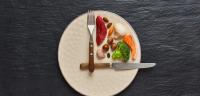
Allowed Drinks During Fasting
Include:
- Water.
- Plain coffee.
- Green tea.
- Herbal teas like chamomile and mint.
All should be free from sugar, milk, or sweeteners.
Recommended Foods During Eating Window
To achieve optimal results, prioritize:
- High-quality proteins.
- Leafy vegetables.
- Whole grains.
- Healthy fats.
- Fresh fruits in moderation.
Foods to Avoid
Include:
- Fast food.
- Sugar-laden sweets.
- Soft drinks and sweetened juices.
- Processed foods.
- Hydrogenated oils.
Benefits of Intermittent Fasting for Women

Supports Weight Loss
Intermittent fasting helps reduce overall calorie intake and stimulates the body to use fat stores for energy.
Improves Insulin Sensitivity
It aids in lowering insulin levels and enhancing the body's ability to regulate blood sugar levels.
Reduces Belly Fat
Research indicates that intermittent fasting can help lessen visceral fat accumulating around the waist.
Enhances Focus and Energy
Many individuals notice improved mental focus and energy levels during fasting hours.
Improves Heart Health
It may contribute to better heart health indicators, like blood pressure and triglyceride levels, when combined with a healthy diet.
Important Precautions Before Starting
Despite the numerous benefits, intermittent fasting isn’t suitable for everyone.
Avoid Intermittent Fasting if:
- Pregnant women.
- Nursing mothers.
- Those with current or past eating disorders.
- Individuals with health conditions requiring regular food or medication as prescribed by a doctor.
Signs That Require Stopping and Consulting a Doctor
Stop the regime and consult a doctor if experiencing:
- Missed menstrual periods.
- Persistent dizziness.
- Extreme fatigue.
- Frequent headaches.
- Significant loss of focus.
Tips for Successful Intermittent Fasting for Women
For optimal results, start gradually and avoid jumping straight into long fasting periods. Additionally, ensure adequate water intake daily, get enough sleep, and engage in regular physical activity.
Food quality is as important as meal timing. Focus on natural, nutrient-rich foods and avoid added sugars and processed foods.
In conclusion, Intermittent fasting for women is one of the most effective and popular methods for weight loss and overall health improvement when correctly applied.
With commitment to healthy eating and monitoring the body's response, intermittent fasting can be an effective tool to achieve long-term fitness and health goals.
See Also
Side Effects of Mongero Injections You Won't Hear About