


Tourist spots are top priorities for visitors eager to explore the Lebanese capital without high expenses. Beirut is more than just a modern city filled with restaurants and shopping centers. It boasts natural, historical, and cultural landmarks offering visitors a rich and enjoyable experience with no need for entry tickets.
Additionally, the city's prime coastal location on the Mediterranean Sea offers breathtaking views and open spaces ideal for walking, photography, and spending quality time with family and friends.
Natural and Coastal Landmarks in Beirut
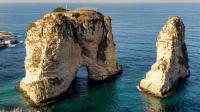
The Pigeon Rocks
The Pigeon Rocks, or Raouché Rocks, are among Lebanon's most photographed natural symbols. These massive rock formations off the west coast of Beirut provide an exceptional view, especially at sunset when sunlight reflects on the sea and rocks creating a stunning natural scene. Visitors can stand on the cliffs overlooking the rocks and capture memorable photos without any fee.
Ain Mreisseh Corniche
Ain Mreisseh Corniche is one of Beirut's most popular promenades. It stretches alongside the Mediterranean, making it an ideal spot for a leisurely walk, a workout, or simply enjoying the refreshing sea breeze.
On the other hand, the corniche is constantly bustling with locals and tourists who flock there daily for one of the city's best sea views.
Zaitunay Bay
Zaitunay Bay is a prominent modern destination in the Lebanese capital. Despite its reputation for upscale restaurants and cafes, visitors can stroll along the wooden walkway overlooking the yacht marina to see the luxurious boats and marine views for free. The area offers a serene atmosphere perfect for photography and relaxation, especially in the evening.
Free Museums and Cultural Centers
Beirut’s allure extends beyond the sea and nature; it also hosts several cultural institutions open to visitors for free.
Sursock Museum
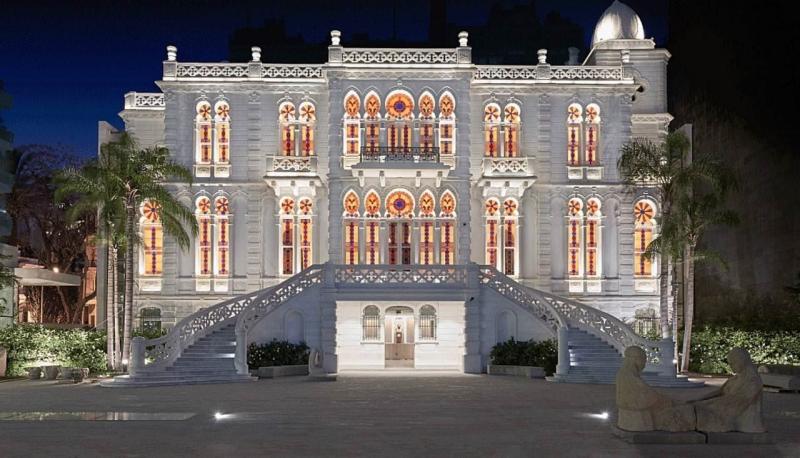
Sursock Museum is located within a historic palace dating back to 1912 and is a major art and cultural hub in Lebanon. It features exhibitions of modern and contemporary art as well as beautiful gardens enhancing the visit. Furthermore, the museum offers visitors a high-end cultural setting to learn about the Lebanese and global art scenes.
Beit Beirut
Beit Beirut is a leading cultural landmark documenting the Lebanese capital's history. Located inside the historic Barakat building, which played a crucial role during the Lebanese Civil War, it has been renovated and transformed into a cultural center and urban museum.
Visiting this location provides an opportunity to understand the historical and social transformations the city has undergone over the decades.
Parks and Green Spaces
Despite the urban character of the capital, Beirut includes several public parks offering peaceful spaces to escape the city’s hustle and bustle.
Pine Forest of Beirut
The Pine Forest, the largest green space within the capital, spans a vast area covered by dense pine trees. It’s an ideal destination for nature lovers, walking, jogging, and relaxing in a calm atmosphere away from the city's bustle. Additionally, the forest provides a suitable environment for families and children during weekends.
Gibran Khalil Gibran Park
This park is situated in the city center near several international institutions and modern buildings. It is characterized by its serene atmosphere, artistic sculptures, and a bust of the famous Lebanese writer Gibran Khalil Gibran. It’s also a suitable place for rest and enjoyment of green spaces while strolling through the city.
Historic Streets and Lively Neighborhoods
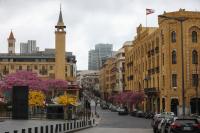
Downtown Beirut and Markets
Downtown Beirut is one of the prominent areas where history meets modernity. Visitors can see remnants of Roman ruins and historical baths alongside modern buildings and public squares, making it a favorite destination for photography and leisure. Moreover, the area is filled with architectural landmarks that reflect Beirut’s diverse history.
Hamra Street
Hamra Street is one of Lebanon’s most famous cultural and commercial streets, filled with cafes, libraries, theaters, and shops reflecting Beirut's cultural and artistic spirit. Additionally, strolling in Hamra offers a chance to explore the capital's daily life and unique atmosphere.
Gemmayzeh Street
Known for its heritage buildings, street art, and creative vibe, Gemmayzeh Street is highly attractive to photography enthusiasts and those who wish to explore traditional Lebanese architecture.
St. Nicholas Stairs
Also known as the Arts Stairs, this spot is one of the most prominent cultural landmarks in Ashrafieh. The stairs connect the Gemmayzeh and Ashrafieh areas and occasionally host open artistic events and exhibitions adding a unique charm.
Tips for Enjoying Free Tourism in Beirut
To have the best tourist experience, it's advisable to plan visits to multiple attractions in a single day. Visiting the waterfront at sunset and enjoying the mild weather in the mornings or evenings when touring gardens and historic streets is recommended.
Moreover, combining visits to cultural and natural landmarks provides a diverse experience that combines history, art, and nature.
Why Does Beirut Attract Tourists Despite Challenges?
The Lebanese capital offers a unique blend of culture, history, nature, and modern life. In a limited geographic area, visitors can move from museums and historical sites to the seaside corniche, gardens, and popular markets in a short time. This diversity makes Beirut one of the most distinctive Arab cities for exploration and cultural experiences.
Ultimately, free tourist attractions in Beirut offer a fantastic opportunity to discover the beauty of the Lebanese capital without needing a large budget. With good planning, visitors can enjoy a day rich in activities, stunning views, and memorable experiences, making the Lebanese capital a destination worth exploring any time of the year.
Also See:
Top Beaches in Lebanon for a Great Summer Vacation