


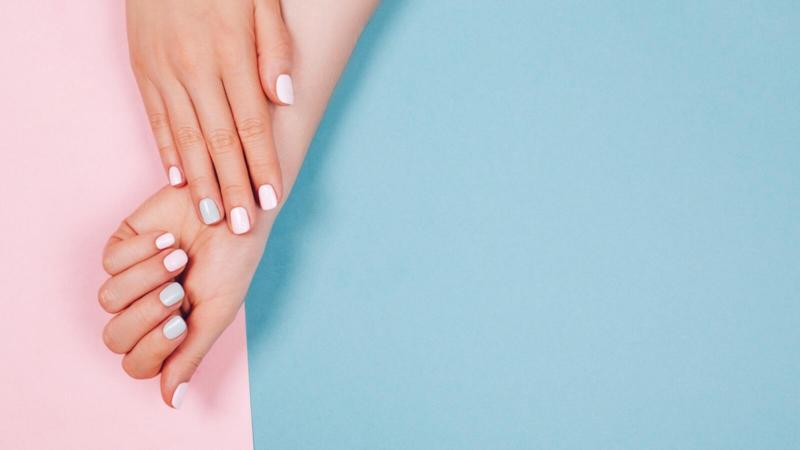
Many women and men are concerned about frequent nail breakage, especially when their nails become weak and susceptible to cracking despite proper care. Nails are often seen as a reflection of overall body health, making persistent changes in nail strength or appearance worth noting as they might indicate underlying external or internal factors.
Moreover, nail breakage isn't just a cosmetic issue; it can affect daily comfort and self-confidence. Understanding the real reasons behind this problem is the first step towards treatment and prevention.
Environmental Factors and Daily Habits
Prolonged Exposure to Water
While water may seem harmless, prolonged and frequent exposure can weaken nail structures. Repeated dishwashing or long swimming sessions can cause nails to expand and contract, increasing their risk of cracking and breaking.
Prevention Tips
Wearing gloves during water-intensive household chores can help protect nails.
Exposure to Chemical Cleaners
Many household cleaners contain strong chemicals that strip natural oils from nails and surrounding skin. Frequent use of these products can dry out the outer nail layer, making it more brittle.
Overuse of Nail Polish Removers
Most traditional nail polish removers contain acetone, which removes nails' natural moisture. Frequent use of these can weaken and peel nails over time.
Cold Weather and Dry Air
Nails are just as susceptible to damage from low temperatures and humidity as skin. In winter or heated environments, nails can lose a significant amount of their natural flexibility.
Using Nails as Tools
Some people habitually use their nails to open cans, peel labels, or perform other tasks not meant for nails. This can create tiny cracks that might develop into visible breaks.
Incorrect Nail Filing
Forceful or back-and-forth filing is a common mistake that weakens nail edges.
Proper Technique
File nails in one direction only to minimize pressure on the nail's outer layers.
Deficiency in Nutrients and Vitamins
Nutritional intake plays a crucial role in nail growth and strength.
Iron Deficiency
Iron is essential for oxygen transport to cells. In cases of anemia or iron deficiency, nails can become fragile and prone to breakage.
Accompanying Signs
-Persistent fatigue.
-Pale skin.
-Frequent dizziness.
-Poor concentration.
-Protein Deficiency
Nails are primarily composed of keratin, a protein the body needs to produce consistently. Reduced protein intake can slow nail growth and decrease their strength.
Lack of Essential Vitamins
Nails require a range of vitamins to maintain their structure and health.
Key Vitamins Include:
-Vitamin A.
-Complex B vitamins.
-Vitamin C.
-Biotin.
A deficiency in these increases the likelihood of cracks and breaks.
Zinc and Calcium Deficiency
Low levels of these key minerals weaken nail structure. If deficiencies persist, this can result in noticeable cracks or lines on the nail surface.
Internal Dehydration
Dehydration doesn't only affect skin; it impacts nail health too. Inadequate daily water intake can cause nails to lose their natural flexibility and become more breakable.
Health Issues Leading to Brittle Nails
In some cases, nail breakage might indicate a health issue needing medical attention.
Thyroid Disorders
The thyroid gland plays a vital role in regulating metabolism. Imbalances in its activity, whether hyper or hypo, can noticeably affect hair, skin, and nail health.
Fungal Infections
Fungal infections can alter nail color, thickness, and texture. Additionally, infected nails become fragile and may easily crumble or detach from the skin.
Skin Diseases
Certain chronic skin conditions can directly impact nail growth matrices. Notable cases include:
-Psoriasis.
-Eczema.
These conditions can lead to noticeable changes in nail shape and strength.
Aging
As we age, natural oils and moisture content in our bodies decrease gradually. Nail growth also slows and they may be more prone to cracking and breaking compared to younger years.
How to Maintain Strong and Healthy Nails

Regular Nail Moisturization
Using creams and oils helps prevent dryness, maintaining nail flexibility.
Balanced Diet
A diet should include:
-Proteins.
-Iron.
-Zinc.
-Calcium.
-Essential vitamins.
Hand Protection
Wearing gloves when using cleaners or during prolonged water exposure is recommended.
Reduce Chemical Exposure
Opt for acetone-free nail polish removers whenever possible to minimize drying effects.
When to See a Doctor?
Though most nail breakage cases relate to daily habits or nutrition, some symptoms warrant medical consultation.
Key Signs
-Persistent breakage over time.
-Significant nail discoloration.
-Increased thickness or deformity.
-Pain or inflammation around the nail.
-Associated other health symptoms.
In conclusion, frequent nail breakage can stem from environmental factors, improper daily habits, nutrient deficiency, or underlying health issues. If the problem persists despite preventive tips, a medical evaluation may be necessary to identify potential underlying health concerns requiring specialized treatment.
See Also