


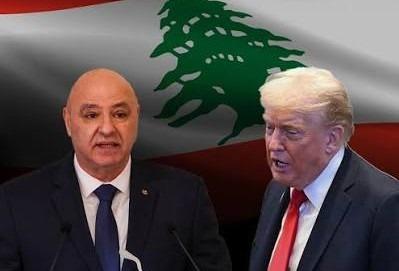
Lebanese citizens were glued to their screens yesterday, captivated not just by the World Cup 2026 final, but also in anticipation of the pivotal meeting between Lebanese President Joseph Aoun and U.S. President Donald Trump. This meeting, described as historic and crucial for Lebanon's future, notably regarding the implementation of the "framework agreement," marks the first visit by a Lebanese president to Washington since 2009 amidst exceptional regional circumstances.
The sports match has concluded, but the politically complex and delicate one remains undecided. There are two competing visions: one side seeks diplomatic and negotiating routes to salvage Lebanon, leveraging American relations to pressure Israel into adopting Lebanon’s perspective. Conversely, the opposing side opts to keep Lebanon ensnared in regional and international conflicts, aligning its fate with various contentious issues and potential wars, dooming it to perpetual unrest.
President Aoun’s task is challenging, likened to a goalkeeper under pressure as internal and external players aim to thwart his mission. Domestically, opposition parties deride the framework agreement as folly, accusing Aoun of steering the nation towards disaster. Meanwhile, Israel demands assurances of a Hezbollah-free withdrawal before considering exiting occupied territories.
The forthcoming meeting with a major global player is under international scrutiny. U.S. Secretary of State Marco Rubio noted that the interaction could yield positive outcomes: Aoun is expected to seek clear U.S. backing for an Israeli withdrawal aligned with Lebanese interests. Discussions will cover army support, state sovereignty, Lebanon's detachment from regional upheavals, dynamics with Syria, release of prisoners, reconstruction processes, and numerous issues pivotal for Lebanon’s recovery and averting war.
However, as Middle East Alliance Director Tom Harb commented to Werdana, the summit is symbolically significant, yet content-wise, differs. Aoun’s repeated efforts to secure a meeting led Trump to agree. Aoun needs to display Lebanon’s welcome in the White House, especially considering Trump’s interest in relieving Israel of Hezbollah’s threat. The absence of key ministers to accompany Aoun might weaken Lebanon’s stature in negotiations.
Harb highlighted the importance of Rubio’s meeting, focusing on Hezbollah’s disarmament and structural dismantling, integral to peace processes with Israel. Trump is likely to praise Aoun, who, in return, will seek military and reconstruction aid. The U.S., however, perceives this as "begging," especially compared to significant economic deals with Iraq, questioning Lebanon's concessions, given Hezbollah’s unchecked activities.
The "framework agreement" stipulates Hezbollah’s threat to Lebanon and Israel’s insistence on withdrawal post its dismantling. Although Lebanon initially resisted these terms, U.S. and Saudi pressure prevailed, as evidenced by Aoun’s recent discussions with Saudi Crown Prince for support. While grateful for U.S. leadership, Lebanon's commitment to promises under scrutiny as military leadership delays actions pending Trump’s term conclusion raises concerns. Both the U.S. and Israel persist in achieving their aims swiftly, contemplating international forces if necessary to disarm Hezbollah, contingent on Iran’s stance, and Syrian involvement in potential peacekeeping roles.
Ultimately, while the visit may not be considered historic, Lebanon’s state-building pursuit remains unachieved. Yet, hope prevails for the Lebanese people’s liberation and a peaceful existence.