


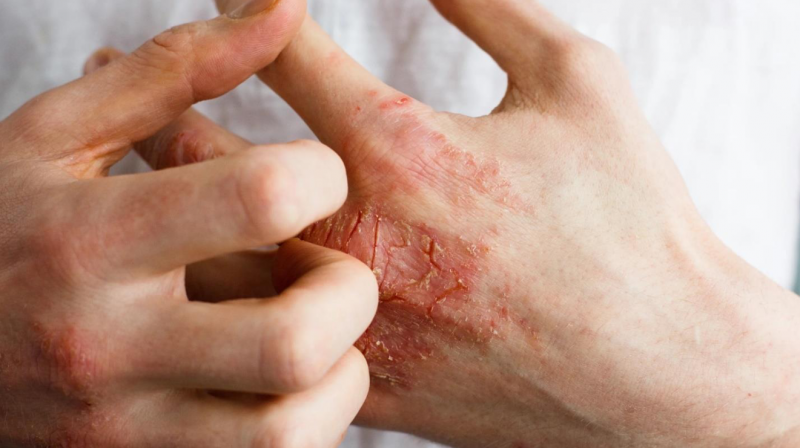
Maintaining a healthy skin barrier is essential to retain moisture and prevent water loss. However, constant exposure to external factors or unsuitable habits can weaken this barrier, leading to dry skin issues. The severity of dryness varies from person to person. It might be temporary, due to weather changes or improper care, or connected to skin conditions requiring professional attention.
Dry skin isn't limited to a rough feel alone; it can also lead to cracks, flaking, redness, and itching, impacting the skin's appearance and comfort. Understanding the causes of this issue is the first step in selecting an appropriate treatment.
List of Causes for Dry Skin:
1. Weather Changes
Weather significantly impacts skin hydration, especially in winter. Lower temperatures and reduced air humidity can increase water loss from the skin. Wind and frequent transitions between cold and warm places also contribute to dryness for some individuals.
2. Frequent Use of Hot Water
Long hot showers can strip natural oils from the skin surface, essential for protecting and maintaining moisture. Consequently, some people experience increased dryness after taking prolonged hot baths.
3. Use of Inappropriate Skincare Products
Some soaps and cleansers contain harsh ingredients that strip off the protective fatty layer, increasing dryness and potentially causing irritation and flaking.
4. Inadequate Moisturizing
Not using a suitable moisturizer regularly can impair the skin's ability to retain moisture, especially for individuals with naturally dry skin.
5. Aging
Aging reduces the skin's ability to produce natural oils and collagen, making it more susceptible to dryness and roughness, thus requiring extra care.
6. Insufficient Water Intake
Lack of fluids can affect skin health, making it appear more dry and dull. Combining internal hydration with external care is crucial.
7. Certain Skin Conditions
Skin dryness may be associated with issues like eczema, psoriasis, dermatitis, and allergies, requiring medical intervention.
8. Poor Nutrition
Deficiency in essential nutrients such as healthy fats, vitamins, and minerals can exacerbate dryness in some people.
Treatment for Dry Skin
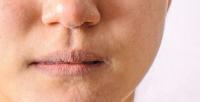
1. Use an Appropriate Moisturizer
Regular moisturizing is crucial, and creams containing ingredients like hyaluronic acid, glycerin, ceramides, and shea butter are recommended.
2. Avoid Hot Water Baths
Use lukewarm water instead of hot water for washing the face or bathing to avoid excessive natural oil loss.
3. Choose Gentle Cleansers
Opt for cleansers that do not dry the skin and avoid products with harsh chemicals or fragrances.
4. Moderate Exfoliation
While exfoliation helps remove dead cells, overdoing it can increase dryness and irritation.
5. Protect Skin from External Elements
Using sunscreen can protect against UV damage which can enhance dryness. Also, shield skin from cold and dry air.
6. Focus on Diet
Consuming foods rich in omega-3, nuts, fruits, vegetables, and protein supports skin health.
7. Use Humidifiers
Humidifiers can help reduce dryness during low humidity, particularly in winter or in heated environments.
Natural Remedies to Support Moisture
Natural ingredients like honey, aloe vera, and oils, such as jojoba or almond oil, can help retain moisture.
When to See a Doctor?
Consult a dermatologist if dryness persists despite moisture treatments, comes with painful cracks, severe itching, redness, inflammation, or appears suddenly without a clear reason.
See also: