


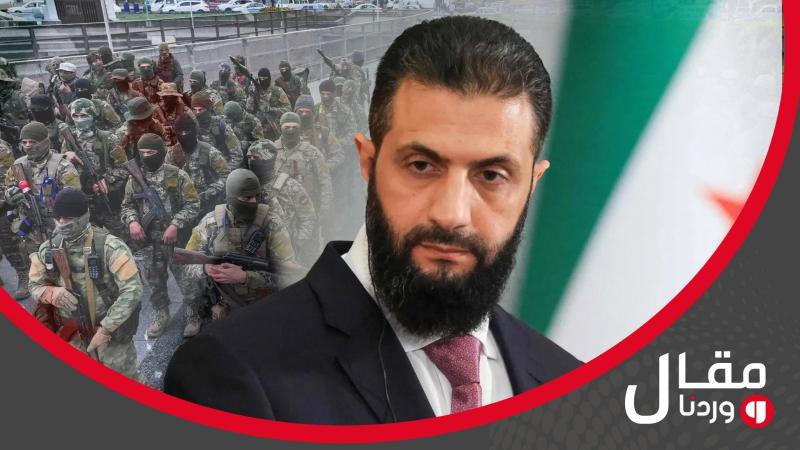
In the midst of ongoing debates and increasing discussions about Syria's potential role in the Lebanese crisis, diplomatic sources revealed to the website 'Wardna' that Syria seems reluctant to engage in military intervention in Lebanon. Instead, Syria prefers to exercise caution and avoid getting entangled in any new field complications.
Despite this hesitation, the sources indicated that Damascus has not completely closed the door. It has instead proposed a set of specific conditions and demands to approve any limited intervention. These include five main points:
-Official Lebanese Request: A formal and direct request for assistance from the Lebanese government to avoid any conflict or misunderstanding with the Lebanese army.
-Comprehensive Israeli Withdrawal: Achieving a complete withdrawal of Israeli presences and movements from southern Syria and Mount Hermon's peaks.
-Advanced Air Defense: Provision of modern air defense systems to Damascus to protect its lands and forces.
-Defined Geographic Scope: Confining any military operation geographically to only a few border towns, preventing the ignition of sectarian strife or clashes.
-Air Coverage: Ensuring comprehensive air coverage and protection for the forces involved in the movement.
However, according to the same diplomatic sources speaking to 'Wardna', these demands face a decisive 'veto' and a solid barrier. The Israeli side cannot accept most of these conditions due to its fundamental opposition to any Syrian presence or intervention in Lebanon.
In this context, the sources confirmed that Tel Aviv has clearly communicated to Washington that it is not planning any withdrawal from current fronts and sectors in southern Lebanon and Syria, at least in the medium term. This stance renders Damascus's conditions effectively a 'political impasse' that undermines the feasibility of military intervention and leaves the pending borders and issues at the mercy of complex regional tensions.