


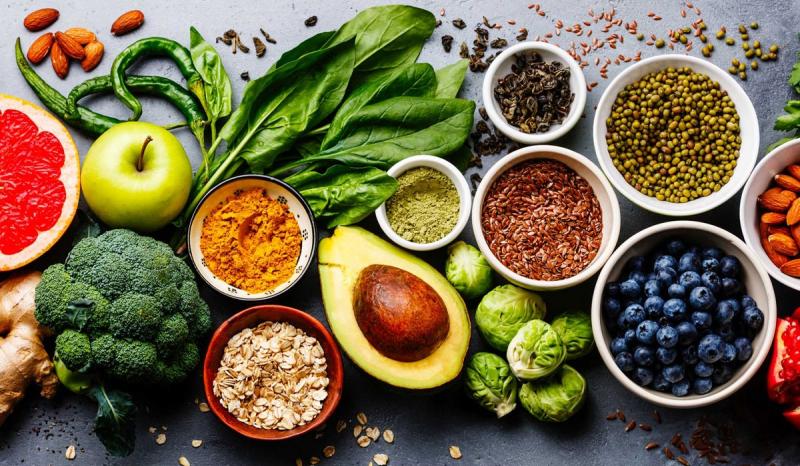
A balanced diet is crucial for managing insulin resistance. It helps reduce sudden spikes in blood sugar and decreases the need for large amounts of insulin. Over time, this can help cells regain some of their natural sensitivity to the hormone, improving energy levels, weight, and overall health.
Conversely, relying on processed foods, sugars, and refined carbohydrates can lead to prolonged high insulin levels, exacerbating the problem and increasing the risk of developing type 2 diabetes.
What is Insulin Resistance?
Insulin resistance occurs when body cells become less responsive to insulin, which is responsible for allowing glucose into cells for energy. As cell sensitivity decreases, the pancreas has to produce more insulin to maintain blood sugar levels within normal ranges.
Over time, this added strain can lead to elevated blood sugar and various metabolic disorders. Additionally, insulin resistance is associated with obesity, particularly abdominal fat, polycystic ovary syndrome, high triglycerides, and high blood pressure.
Key Pillars of a Successful Diet for Insulin Resistance
Focus on Low Glycemic Index Foods
The glycemic index measures how quickly blood sugar levels rise after eating food. Thus, it is advised to emphasize foods that are digested slowly, releasing glucose gradually.
Top options include:
- Whole oats.
- Lentils.
- Chickpeas.
- Beans.
- Leafy greens.
- Quinoa.
- Bulgur.
Additionally, these foods help extend fullness and reduce cravings for sweets.
Combine Carbohydrates with Protein and Healthy Fats
A common mistake is consuming carbs alone, like bread or fruit, without any protein or fat source. Pairing carbs with protein, fiber, and healthy fats slows down sugar absorption, reducing sudden glucose spikes.
For example, eating whole grain bread with eggs and avocado is better than eating bread alone.
Order of Eating within a Meal
Recent research suggests that the order in which food components are consumed may impact the body's blood sugar response. Starting with fiber-rich vegetables, followed by proteins and healthy fats, and ending with carbohydrates can help reduce sharp increases in blood sugar post-meals.
Ideal Plate Components for Insulin Resistance
Successful diets rely on balancing essential nutrients in each meal.
High-Quality Proteins
Protein increases satiety, maintains muscle mass, and improves sugar stability.
Best sources include:
- Skinless chicken.
- Turkey.
- Eggs.
- Salmon.
- Tuna.
- Sardines.
- Lean red meats.
Moreover, protein supports metabolic rate and various vital functions.
Healthy Fats
Healthy fats play a key role in reducing inflammation and improving cardiovascular health.
Top choices are:
- Extra virgin olive oil.
- Avocado.
- Almonds.
- Walnuts.
- Chia seeds.
- Flax seeds.
These fats slow carb absorption and increase fullness.
Non-Starchy Vegetables
These vegetables are low in calories and high in fiber, vitamins, and minerals.
Top examples:
- Broccoli.
- Cauliflower.
- Spinach.
- Zucchini.
- Cucumber.
- Lettuce.
- Green beans.
- Arugula.
Vegetables should ideally fill about half the plate in most main meals.
Complex Carbohydrates
Treating insulin resistance does not mean eliminating carbs entirely but selecting the right types and controlling portions.
Optimal options:
- Quinoa.
- Freekeh.
- Bulgur.
- Sweet potatoes.
- Oats.
- 100% whole grain bread.
Foods to Avoid with Insulin Resistance
Some foods directly contribute to increased insulin secretion and higher blood sugar levels.
Sugars and Sweetened Beverages
Sugary drinks are fast glucose sources reaching the bloodstream.
Examples include:
- Sodas.
- Artificial juices.
- Energy drinks.
- Heavily sweetened tea and coffee.
Similarly, over-consumption of natural juices can quickly spike blood sugar due to the absence of most fiber found in whole fruit.
White Flour and Refined Carbohydrates
This category includes:
- White bread.
- Pastries.
- Croissants.
- Cakes.
- Large quantities of white rice.
- Sweetened cereals.
It’s preferable to replace these with fiber-rich whole grains.
Trans Fats and Hydrogenated Oils
These fats are linked to increased inflammation and metabolic disorders.
Commonly found in:
- Fast food.
- Fried foods.
- Commercial sweets.
- Some processed baked goods.
Daily Habits to Speed Up Insulin Resistance Recovery

Intermittent Fasting
Intermittent fasting has gained significant research interest in recent years. The 16/8 method is highly popular, where food is consumed within an eight-hour window, followed by a 16-hour fast.
Intermittent fasting reduces insulin levels and encourages the body to burn fat for energy.
Post-Meal Walking
Studies suggest that walking for 10-15 minutes after meals can improve blood sugar control. Muscles use glucose directly during activity, reducing the need for extra insulin.
Good Sleep and Stress Reduction
Sleep deprivation and high stress levels are linked to increased insulin resistance. Aim for 7-9 hours of sleep daily and practice relaxation techniques such as meditation and deep breathing.
Helpful Dietary Supplements
Some individuals may benefit from specific supplements after consulting a doctor. Notable options include:
- Magnesium.
- Omega-3.
- Chromium.
- Vitamin D if deficient.
A Sample Day of Eating for Insulin Resistance
Breakfast
Two boiled eggs with a green salad and a slice of whole grain bread.
Lunch
Grilled chicken breast with a large salad and a moderate amount of bulgur or quinoa.
Snack
A handful of almonds or walnuts with cucumber or carrot.
Dinner
Grilled fish with steamed vegetables and a green salad.
In conclusion, a balanced diet is the most crucial step in treating insulin resistance and preventing future complications. Integrating physical activity, good sleep, and stress reduction with dietary plans yields better results and restores metabolic balance in the long term.
See Also
Diet for Diabetes Patients