


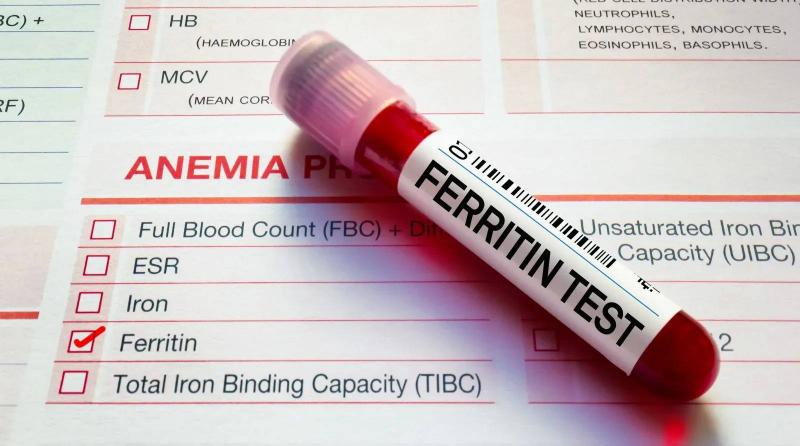
Many individuals wonder if they suffer from iron deficiency when experiencing persistent fatigue, dizziness, or difficulty concentrating without an apparent reason. Iron is a crucial element that the body needs to produce hemoglobin, the protein responsible for transporting oxygen via red blood cells to various body organs.
When iron levels or stores in the body deplete, numerous vital functions begin to be affected gradually. Recognizing early symptoms helps in identifying and treating the issue before it progresses to iron-deficiency anemia.
Why is Iron Important for the Body?
Iron plays a fundamental role in energy production, supporting muscle functions, and maintaining a healthy immune system. It also aids in oxygen transport to various tissues and cells, explaining the many symptoms that appear when its levels decrease. Additionally, the brain requires adequate oxygen to maintain focus, attention, and normal cognitive functions.
Main Symptoms of Iron Deficiency

Persistent Fatigue and Energy Loss
Chronic fatigue is one of the most common symptoms of iron deficiency. Individuals may feel exhausted even after adequate sleep or with minimal physical exertion because the body lacks enough oxygen to generate the necessary energy for daily activities.
Paleness
A common sign is noticing pale skin or loss of natural skin vitality. Paleness often appears more pronounced in the lower eyelid, gums, or nails due to low hemoglobin levels in the blood.
Shortness of Breath
Individuals may notice shortness of breath during simple activities like brisk walking or climbing stairs, as the body tries to compensate for the lack of oxygen by increasing the breathing rate.
Heart Palpitations
With reduced oxygen reaching organs, the heart must work harder to pump blood throughout the body, causing faster or irregular heartbeats.
Cold Hands and Feet
A constant feeling of cold in the extremities may be linked to iron deficiency, especially when accompanied by other symptoms like fatigue and dizziness.
Hair Loss and Weak Nails
Iron deficiency affects the health of hair and nails, causing increased hair loss or brittle nails due to weak oxygen and nutrient transport to hair follicles and nail growth cells.
Headaches and Dizziness
Frequent headaches and dizziness, especially when standing suddenly or after long periods of sitting, occur due to reduced oxygen reaching the brain.
Psychological Symptoms Indicative of Iron Deficiency
Iron deficiency does not only affect physical health; it may also impact mental health and cognitive functions.
Poor Concentration
Some may struggle with concentration or completing daily tasks requiring prolonged mental focus.
Mood Swings
Iron deficiency can sometimes be associated with increased stress, irritability, or frequent mood changes.
Anxiety and Mental Fatigue
Occasionally, individuals may experience continuous anxiety or unjustified tension due to the deficiency affecting nervous system functions.
Who is at Higher Risk for Iron Deficiency?
Certain groups have a heightened likelihood of experiencing iron deficiency compared to others.
Women
Especially during childbearing years due to blood loss during menstruation.
Pregnant Women
Iron needs increase during pregnancy to support fetal growth and increased blood volume.
Children and Adolescents
The body requires more iron during rapid growth phases compared to other life stages.
Vegetarians
Some vegetarians might struggle to meet their iron needs without a well-planned diet.
How is Iron Deficiency Diagnosed?
Ferritin Test
This is one of the most essential tests to detect iron deficiency, measuring the amount of iron stored in the body and helping detect deficiency even before anemia appears.
Serum Iron Test
This test measures the iron present in the bloodstream at the time of analysis.
Complete Blood Count (CBC)
This helps assess hemoglobin levels and red blood cell counts and sizes and is used to identify anemia due to iron deficiency.
Total Iron Binding Capacity (TIBC)
This test measures the capacity of blood proteins to transport iron, providing a more precise evaluation of iron status.
When to Consult a Doctor?
Consulting a doctor is advised if symptoms such as extreme fatigue, dizziness, shortness of breath, or hair loss persist for a long time without an apparent cause. Medical advice is also recommended if symptoms affect daily activities or worsen over time.
How to Prevent Iron Deficiency?
A balanced diet containing iron-rich sources can reduce the risk of deficiency. Notable sources include red meat, liver, fish, lentils, beans, spinach, and iron-fortified cereals. Additionally, consuming vitamin C-rich foods with meals is recommended to enhance iron absorption.
In conclusion, monitoring symptoms such as persistent fatigue, skin paleness, shortness of breath, and hair loss can provide important early indicators of iron deficiency. However, medical tests remain the only method to confirm the diagnosis accurately and determine the degree of deficiency.
See Also
Does Vitamin B12 Deficiency Cause Dizziness and Persistent Fatigue?