


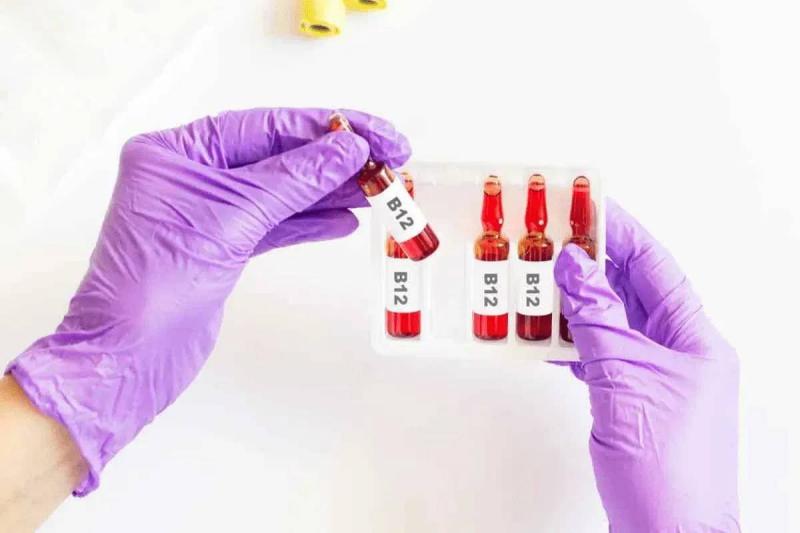
Concerns about an excess of vitamin B12 in the body raise many questions, especially for those taking supplements or undergoing long-term B12 injections. Although vitamin B12 is water-soluble, allowing the body to excrete excess amounts through urine, significant increases in its levels can occasionally be linked to symptoms or health conditions requiring medical attention.
In most cases, the increase from dietary supplements doesn't lead to serious complications. However, a persistent high level of vitamin B12 without an obvious cause could indicate underlying issues that should be addressed medically.
What is Vitamin B12 and Why is it Important?
Vitamin B12 plays a crucial role in many bodily functions, including the production of red blood cells, maintaining a healthy nervous system, and supporting DNA synthesis.
It also aids in improving brain and nerve functions and participates in metabolic processes and energy production. Maintaining its levels within the normal range is vital for overall health.
Symptoms of High Vitamin B12 Levels in the Body

Skin Problems
Some individuals might experience skin changes after an increase in vitamin levels, including:
- Rashes.
- Itchy skin.
- Increased acne and pimples.
- Redness in certain areas.
These symptoms are thought to be linked to changes in bacterial balance or the body's response to high supplement doses.
Digestive System Disorders
High doses can affect the digestive system in some people, resulting in:
- Nausea.
- Vomiting.
- Diarrhea.
- Constipation.
- Indigestion.
- Stomach discomfort.
Typically, these symptoms are temporary and improve after adjusting the dose or stopping supplements under medical supervision.
Neurological Symptoms
In rare cases, individuals may experience neurological symptoms such as:
- Headaches.
- Dizziness.
- Tingling sensations.
- Numbness in hands and feet.
While these symptoms can be attributed to other health issues, their occurrence following high supplement doses should be discussed with a doctor.
Sleep Disturbances
Some people report changes in sleep patterns after taking high doses of vitamin B12, including:
- Insomnia.
- Difficulty falling asleep.
- Frequent awakenings during the night.
However, scientific research on this relationship is limited and requires further studies.
Rare Allergic Reactions
Severe allergies to vitamin B12 are extremely rare but may occur in some people. Warning signs include:
- Swelling of the face or lips.
- Throat swelling.
- Difficulty swallowing.
- Breathing difficulties.
If these symptoms appear, it is essential to seek emergency medical care immediately.
Is Vitamin B12 Excess Dangerous?
The answer primarily depends on the cause of the increased vitamin levels in the blood.
Increase Due to Supplements
In most cases, excess from supplements or therapeutic injections is not considered dangerous since the body can excrete what it doesn't need. Vitamin B12 is not known for high toxicity risk even with moderate or high therapeutic doses for specific periods. Usually, symptoms associated with excess subside gradually after stopping or reducing supplements per doctor instructions.
Sustained Increase Without Supplements
Conversely, elevated vitamin B12 levels in tests without supplement use warrant medical evaluation. In some cases, this may be related to health problems affecting the body's ability to regulate or store the vitamin.
Causes of High Vitamin B12 Without Supplements?
Liver Diseases
The liver plays a significant role in storing vitamin B12, so certain liver diseases may lead to increased levels in the blood.
Kidney Disorders
When kidney efficiency in removing substances and wastes declines, changes in levels of various nutrients, including vitamin B12, may occur.
Blood Disorders
Some blood and bone marrow diseases are associated with elevated vitamin levels in lab tests.
Rare Tumors
In limited and rare cases, increased vitamin B12 may be a secondary indicator of more complex health issues, which require specialist medical evaluation.
What to Do If Your Test Results Are High?
Consult Your Doctor
Consulting a physician is the first step to understanding the reason for the increase and determining if it's related to supplements or another health condition.
Review Medications and Supplements
It's important to inform the doctor about all vitamins and supplements being taken, including multivitamins.
Stay Hydrated
Maintaining good hydration supports kidney functions in removing excess water-soluble vitamins.
Conduct Necessary Tests
The physician may recommend repeating the test or conducting additional liver, kidney, or complete blood picture tests based on the case.
Should You Stop Taking B12 Supplements?
One should not discontinue any medically prescribed supplement or treatment without consulting a doctor, especially if there was a previous deficiency or health condition necessitating the vitamin. The decision hinges on the vitamin's level in tests, accompanying symptoms, and the patient's overall health condition.
In Conclusion, B12 vitamin increases from supplements do not pose a high health risk due to the body's ability to naturally eliminate excess amounts. Nonetheless, symptoms like rashes or digestive disturbances might appear in some individuals.
See Also