


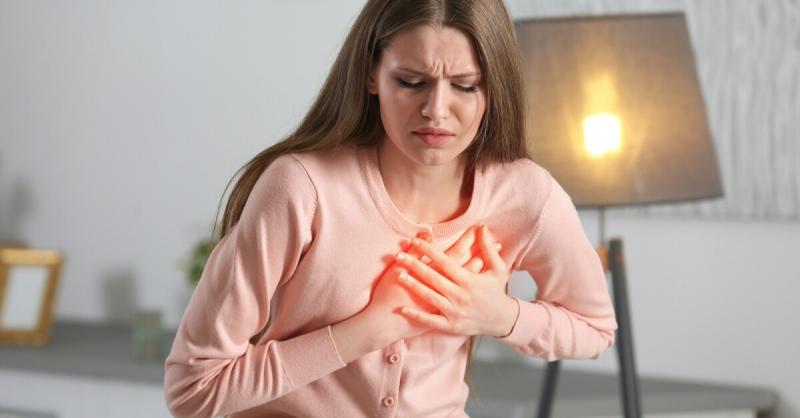
Heart palpitations are a common symptom that can affect individuals of all ages. This condition is characterized by a noticeable feeling of unusual heartbeat patterns, including rapid, strong, or irregular heartbeats. Individuals may experience palpitations in the chest, neck, or throat, lasting for seconds or minutes, or occurring intermittently.
Although palpitations do not always signify a heart condition, ignoring them is not advisable if they become frequent or are accompanied by symptoms such as dizziness, chest pain, or shortness of breath. Understanding possible causes can help differentiate between minor issues and those needing medical evaluation.
What Are Heart Palpitations?
Heart palpitations refer to an awareness of one's heartbeat, which may manifest as a rapid pulse, fluttering in the chest, or a sensation of skipping beats followed by a return to normal rhythm. These can occur at rest, during physical activity, or in stressful situations, varying from person to person.
Causes of Heart Palpitations
Stress, Anxiety, and Psychological Pressure
Psychological stress is a prevalent cause of heart palpitations. Daily anxiety or stress releases hormones like adrenaline, which increase heart rate and force. Some may notice palpitations before exams, job interviews, or sudden events, and during panic attacks. Often, palpitations subside with stress relief or relaxation exercises but require evaluation if persistent.
Exercise or Physical Exertion
An increased heart rate during exercise, climbing stairs, or weightlifting is normal as the body requires more blood to supply muscles with oxygen. The heartbeat usually returns to normal minutes after activity stops. However, if palpitations persist post-exercise or are accompanied by chest pain or dizziness, medical consultation is needed.
Excessive Caffeine Intake
Coffee, tea, energy drinks, and some sodas contain caffeine, a stimulant that may cause temporary heart rate increases in some people, particularly when consumed in large amounts or by those sensitive to it. Reducing caffeine intake often alleviates palpitations.
Smoking and Nicotine Products
Nicotine causes blood vessel constriction and stimulates the nervous system, leading to a temporary increase in heart rate and blood pressure. Smokers are more prone to heart palpitations, and long-term smoking raises the risk of heart and artery diseases, leading to more serious rhythm disorders.
Certain Medications
Heart palpitations can be a side effect of medications, such as asthma bronchodilators, nasal decongestants, thyroid medications, stimulants, and weight-loss drugs. It's essential to consult a doctor rather than stopping medications if palpitations occur after starting a new treatment.
Anemia
Low hemoglobin levels result in reduced oxygen delivery to tissues, prompting the heart to beat faster to compensate, causing palpitations. Anemia often accompanies symptoms like fatigue, pale skin, shortness of breath, and dizziness. Treating the underlying cause usually improves palpitations.
Hyperthyroidism
Thyroid hormones directly influence metabolic rate. Elevated levels can increase heart rate, often paired with weight loss despite good appetite, tremors, excessive sweating, nervousness, and heat intolerance. Treating thyroid disorders typically eases symptoms.
Low Blood Sugar
Low blood sugar may trigger hormone release, such as adrenaline, to raise glucose levels, leading to rapid heartbeat, sweating, shaking, hunger, and dizziness, especially in insulin-dependent diabetics or those on certain blood sugar-lowering medications.
Mineral Deficiencies
Potassium, magnesium, and calcium play crucial roles in regulating heart electrical activity, and deficiencies may disrupt heart rhythm, causing palpitations. Potassium and magnesium deficiencies are common, while severe calcium deficiency can also affect heart rhythm.
Dehydration
Losing significant fluid due to heat, sweating, vomiting, or diarrhea can decrease blood volume, prompting the heart to increase its rate to maintain blood flow to organs. Adequate water intake helps prevent this type of palpitation.
Pregnancy
Some women experience heart palpitations during pregnancy due to increased blood volume, hormonal changes, and added cardiac load. Although often normal, intense palpitations accompanied by chest pain, shortness of breath, or fainting need medical evaluation.
Heart Rhythm Disorders
In some cases, palpitations result from an electrical system malfunction controlling heartbeats, such as atrial fibrillation, supraventricular tachycardia, or premature contractions. These conditions may cause recurrent, persistent palpitations and require specialist evaluation. Treatment might involve medications or specialized procedures.
Heart Diseases
Palpitations might signal heart diseases like coronary artery disease, cardiomyopathy, heart valve diseases, or heart failure. The likelihood of a cardiac cause is higher for individuals with medical histories of high blood pressure, diabetes, high cholesterol, or a family history of heart conditions.
How Is the Cause of Heart Palpitations Diagnosed?
Doctors rely on medical history and physical examination, possibly requesting tests like an electrocardiogram (ECG), a Holter monitor for 24-48 hours, blood tests for anemia, thyroid, and mineral levels, and echocardiography if needed.
How to Prevent Heart Palpitations?
Reducing heart palpitation risk involves limiting caffeine, quitting smoking, staying hydrated, ensuring adequate sleep, moderate exercise, managing stress, treating chronic diseases, and regular health checkups when needed.
See also:
What Is a Normal Heart Rate?
When Is High Blood Pressure Dangerous?
Causes of High Blood Pressure